PACE
Therapeutic stance
Playfulness, Acceptance, Curiosity, and Empathy — Dan Hughes' framework for working with relational trauma.
There's no single named therapy bolted onto our home. Our approach is the everyday combination of practices that — together — turn a building into a place where young people can settle and grow.
These aren't taglines — they're the named, trained-on-and-supervised practice behind every interaction in the home.
PACE
Therapeutic stance
Playfulness, Acceptance, Curiosity, and Empathy — Dan Hughes' framework for working with relational trauma.
PBS
Behaviour support
Positive Behaviour Support — proactive, function-based, and built on the assumption that all behaviour communicates something.
Team Teach
De-escalation
Or accredited equivalent. Verbal de-escalation first; physical intervention only as a last resort and always followed by debrief.
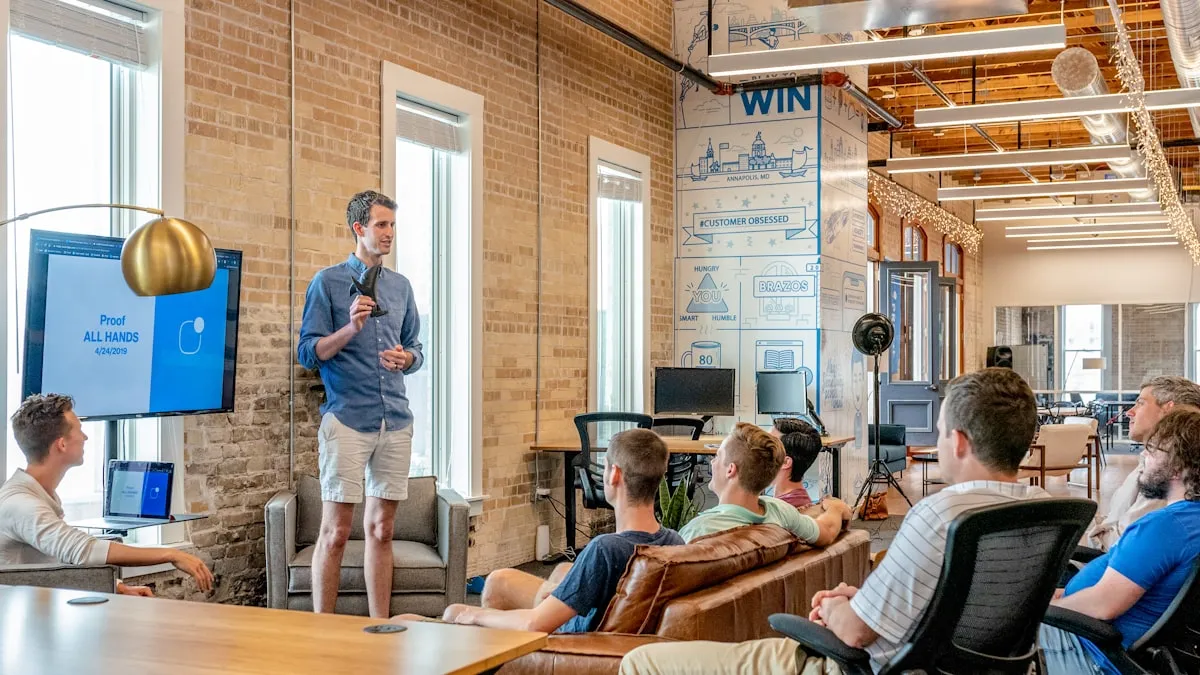
Therapeutic intent is universal, but no single approach fits every young person. Our model is most effective when there is room to build a relationship over time.
A weekly rhythm built around predictability, education, key work, and time for the young person's voice to actually shape what happens.
Structured wake-ups, school preparation, shared mealtimes, and a clear bedtime — the predictability that lets emotional regulation become possible.
One-to-one time between each young person and their named key worker — building relationship, working on goals, and giving voice to what's working and what isn't.
Young people set agenda items, raise issues, and shape the home — followed by a 'You said, we did' loop so they see action against their feedback.
When something goes wrong, the response is repair: name what happened, understand the impact, agree what comes next. Sanctions are not the toolkit.
Across every staff member, every routine, and every difficult conversation — these are the things we keep coming back to.
Behaviour is communication — our job is to understand what's being said before we respond to how it's said.
Relationships are the intervention — consistent, repeated, repairable adult presence is the active ingredient, not a backdrop to it.
Predictability lowers threat — structured routines, clear expectations, and known transitions free up the regulation budget young people need for everything else.
Restoration over sanction — when things rupture, we repair: name it, understand it, agree what's next.
Voice is operational — weekly house meetings and key work feed directly into how the home runs, with a 'You said, we did' loop.
Hope is professional — high educational expectations, future planning, and the refusal to accept that 'children in care achieve less'.
It's not a programme — it's the staffing, supervision, and training that let everyday interactions stay therapeutic when shifts get hard.
Trauma-informed practice, PACE, PBS, Team Teach, safeguarding, exploitation, and missing-from-care are all in the training stack — and refreshed regularly.
Monthly formal supervision (more during probation), structured debriefs after significant incidents, and annual appraisals — so practice actually improves over time.
We deliberately work to keep turnover low. Consistent staff are the strategy, not a 'nice to have'.
Education, health, CAMHS, social workers, and advocacy services are part of how we work — not an afterthought when things escalate.
Common questions from placing teams, families, and partner agencies.
We describe ourselves as therapeutically-informed rather than as a registered therapeutic community. Our staff team is trained in PACE and trauma-informed practice, and we work closely with CAMHS and other clinical services where input is needed — but our primary intervention is the consistent, daily relationship between staff and young person.
Verbal de-escalation comes first, every time. Physical intervention is only ever a last resort to keep the young person or others safe, is delivered by Team Teach (or accredited equivalent) trained staff, and is always followed by debriefing — both for the young person and for the staff involved.
Issues raised in weekly house meetings and key work sessions get logged. The Registered Manager reviews them, and at the next house meeting we share what changed, what's still being worked on, and what we couldn't do — and why. The point is that voice has to land in something visible, or it stops getting offered.
No. We don't use behaviour points or earned-privilege systems. Our model is restorative: we repair what's been ruptured, agree what comes next, and use natural consequences rather than imposed ones.
Through individualised care planning that takes communication style, sensory needs, and routine seriously. The self-contained annex is sometimes used to provide a quieter, lower-stimulation environment, and staff training includes autism awareness.
If you'd like to understand how the approach would apply to a specific young person, the Registered Manager is happy to talk it through.
Get in Touch